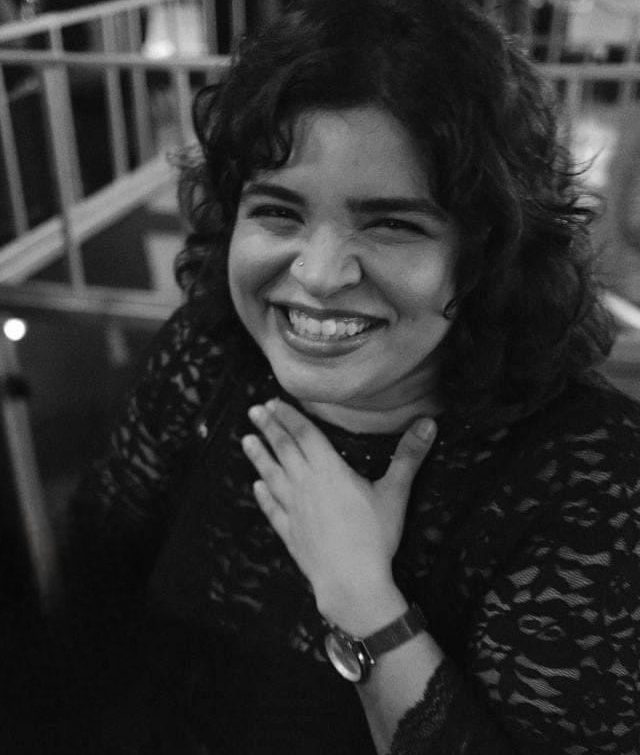
Dr. Anisha Palat is an art historian specialising in human–animal relations, ecocritical art history, and contemporary South Asian visual culture. She holds a PhD in History of Art from the University of Edinburgh. Her doctoral thesis examined how the cow functions as a religious, political, and aesthetic figure in Indian contemporary art and its intersections with caste. Anisha is currently a Research Fellow, Tamil Nadu Council of Historical Research (2025-2026). Anisha is also a British Art Network Bursary Awardee 2025-26: Tate and Paul Mellon Centre. She is currently working on a project that examines colonial-era hunting photography. Anisha also convenes Unfinished Visions: A Collaborative Research Series on South Asian Visual Culture for Chitra, Centre for South Asian Studies (CSAS), University of Edinburgh.
Research Interests
Modern and contemporary South Asian art history and visual culture
Human-animal relations and ecocriticism
Social hierarchies and aesthetics in India
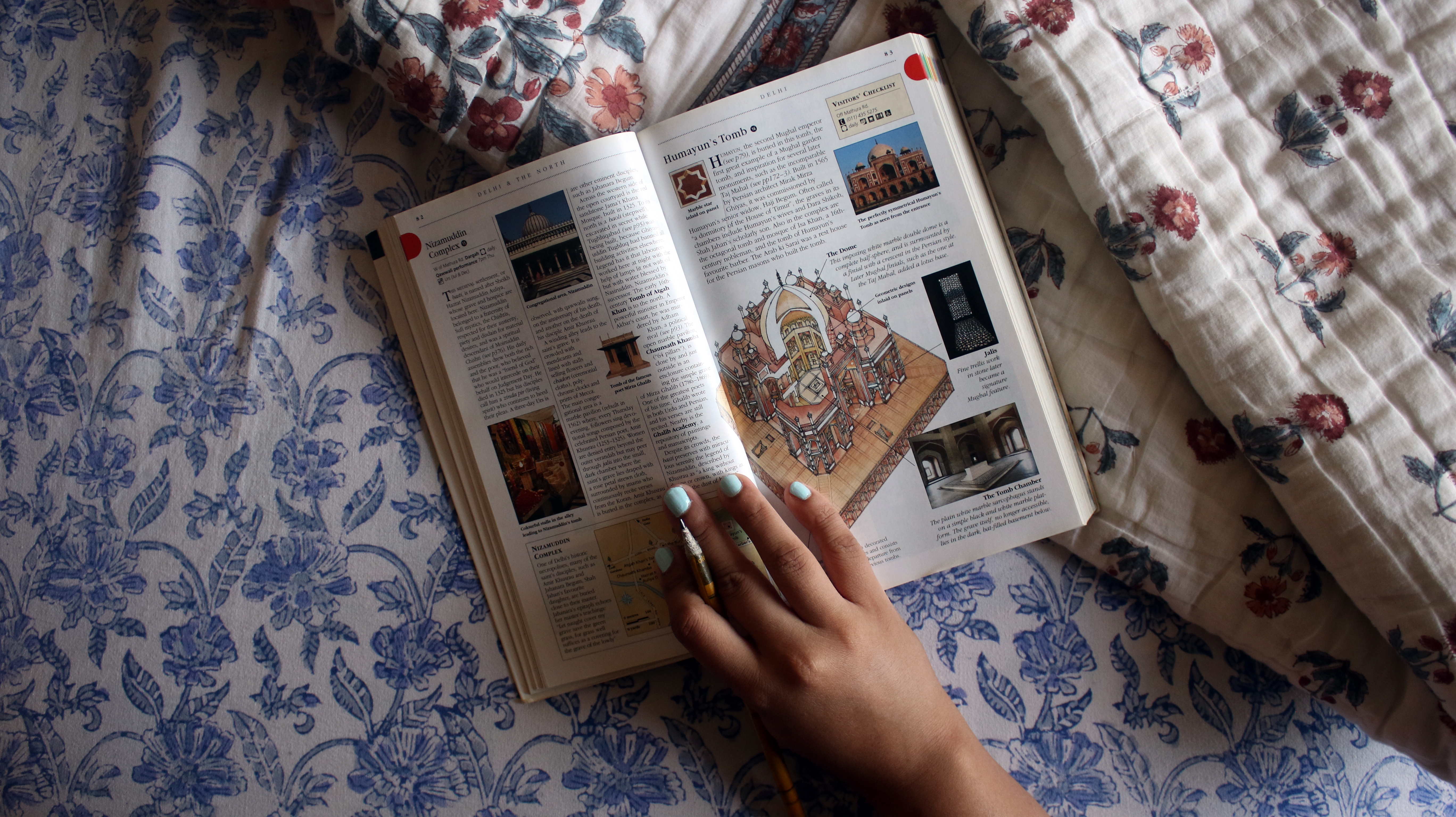
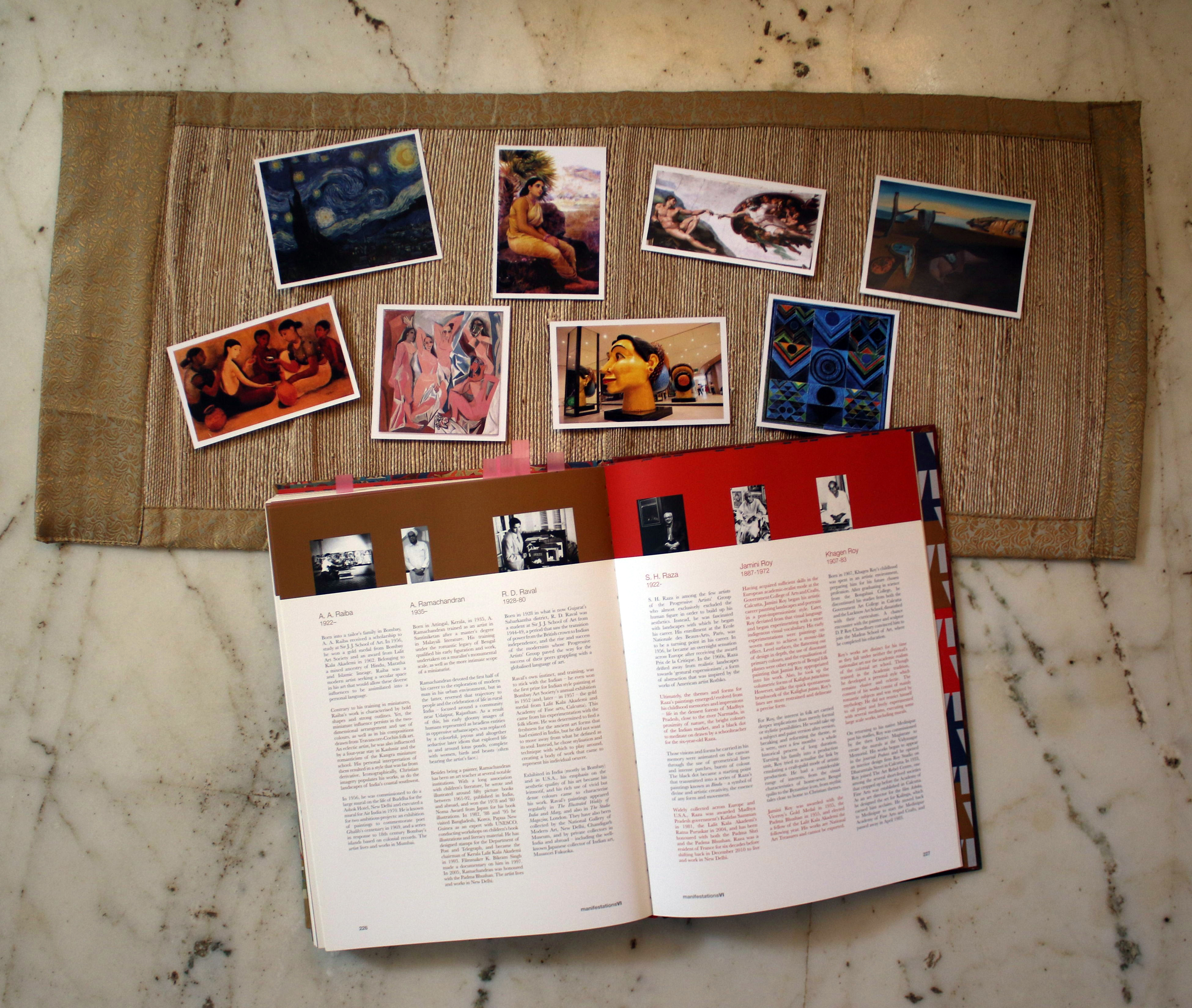
Public Engagement & Teaching
Anisha has presented her research internationally, including at the Annual Conference on South Asia (UW–Madison) and the Association for Art History Annual Conference. She previously co-convened the Climate & Colonialism Reading Group at the Paul Mellon Centre and helped organise the Towards Ecocritical Art History workshop series, a collaboration between the Universities of Edinburgh and Vienna. She has taught across undergraduate and postgraduate art history programmes.
Anisha’s writing appears in both academic and public platforms. She has a forthcoming chapter, ‘Food and Caste Ecologies’, in Methods for Ecocritical Art History (Manchester University Press, 2026), and is co-authoring an article with artist Kirtika Kain for the UK Dalit and Adivasi Network’s decennial volume. Anisha is also co-editing a Special Issue of Contemporary South Asia on protest and visual culture in South Asia. In addition, she has contributed to Critical Collective, Outlook India, Seminar Magazine, and the Bloomsbury Art Market Dictionary.
Background
In addition to her academic work, Anisha has a background in art business and holds an MA in Art Business from Sotheby’s Institute of Art, London. She is also a trained artist and holds a BA in Visual Art (BVA) from Stella Maris College, India. Her training as an artist has made her attuned to visual form and material, while her background in art business equips her with analytical skills and an understanding of how institutional dynamics shape artistic production. These perspectives enable Anisha to approach contemporary art with both critical sensitivity and structural awareness, allowing her to bridge aesthetic analysis with broader socio-political, economic and ecological contexts.

 Anisha Palat